
Category: Seniors & Families
-

A trusted contact list is one of the simplest fraud prevention tools a family can create. When a scam call, suspicious email, fake CRA message, bank impersonation call, or emergency scam happens, people often panic. A printed list of trusted contacts gives a senior a safe place to turn before sending money or sharing information.…
-

Many families wonder whether they should monitor a senior’s banking for fraud warning signs. The answer depends on the senior’s wishes, capacity, risk level, and family circumstances. Monitoring can help prevent serious losses, but it must be handled carefully and respectfully. The goal should be protection, not control. Start with consent and transparency Families should…
-
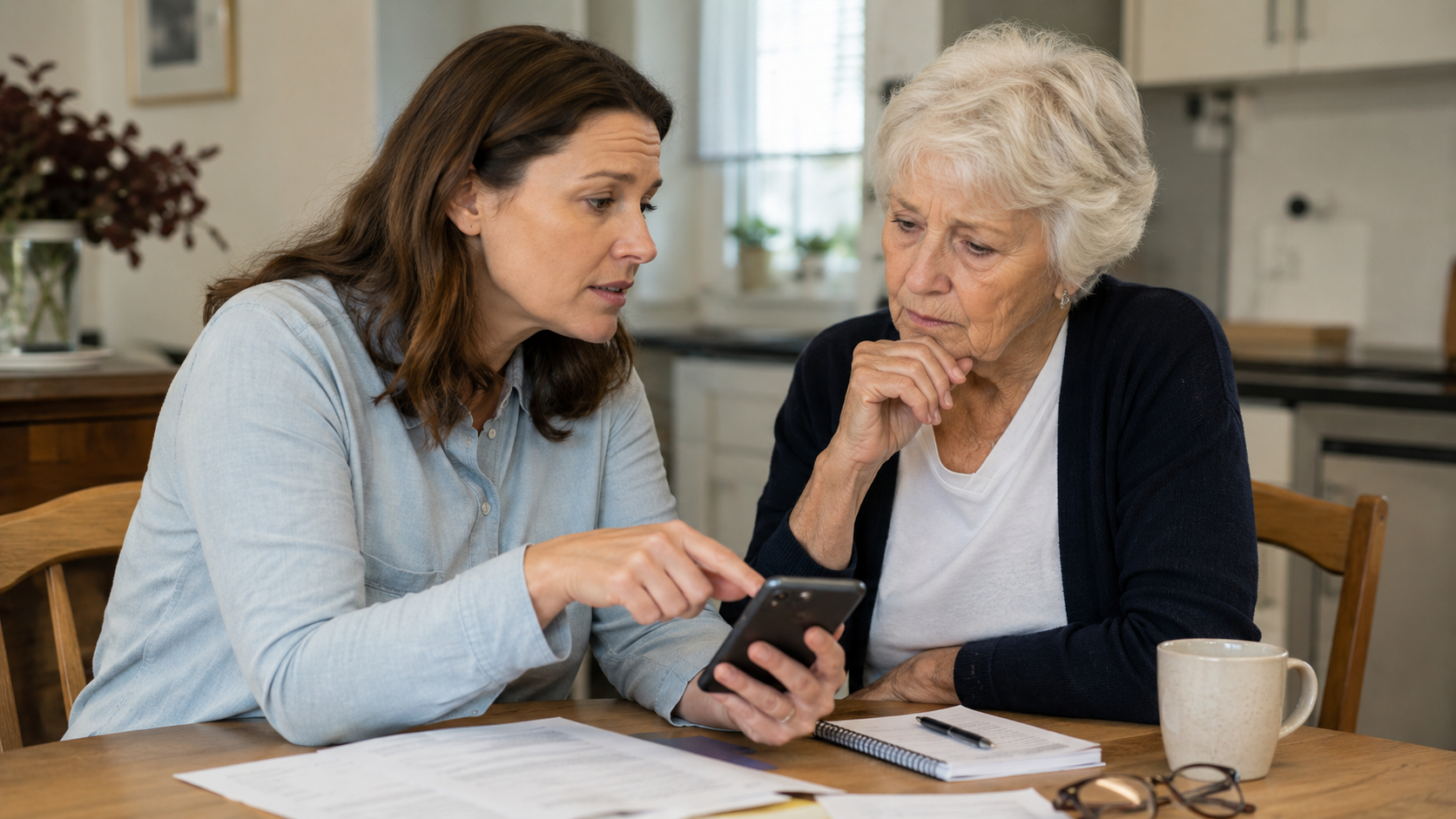
It can be very difficult to talk to a parent who may be caught in a scam. You may see clear warning signs, but your parent may feel embarrassed, defensive, or emotionally attached to the person contacting them. This is common in romance scams, grandparent scams, investment scams, and fake bank or CRA calls. The…
-

Finding out that a senior has sent money to a scammer can be frightening and emotional. The most important thing is to act quickly, stay calm, and avoid blame. Fraudsters are skilled at pressure, manipulation, and deception. Many intelligent and careful people are victimized every year. If a senior has already sent money to a…
-
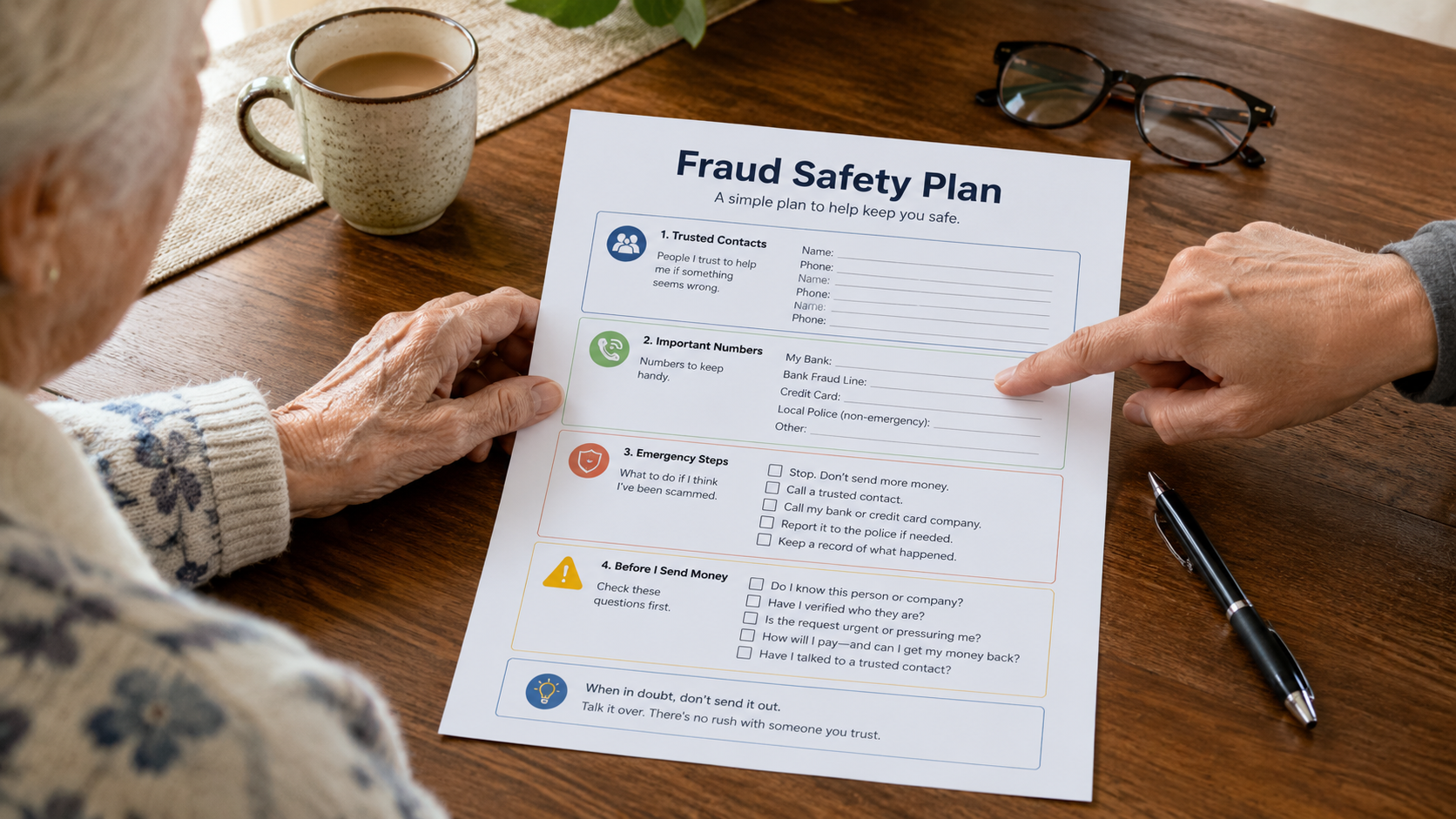
Fraud prevention works best before a crisis happens. Many families wait until an older parent has already received a suspicious phone call, clicked a fake link, or sent money to a scammer. A simple fraud safety plan can reduce panic, protect independence, and help everyone respond calmly. A fraud safety plan for an older parent…
-

CRA scams are a common form of fraud targeting seniors in Canada. In these scams, fraudsters pretend to be from the Canada Revenue Agency and try to frighten people into sending money or sharing personal information. These scams may arrive by phone, email, text message, voicemail, or even letter. Some claim the senior owes taxes.…
-
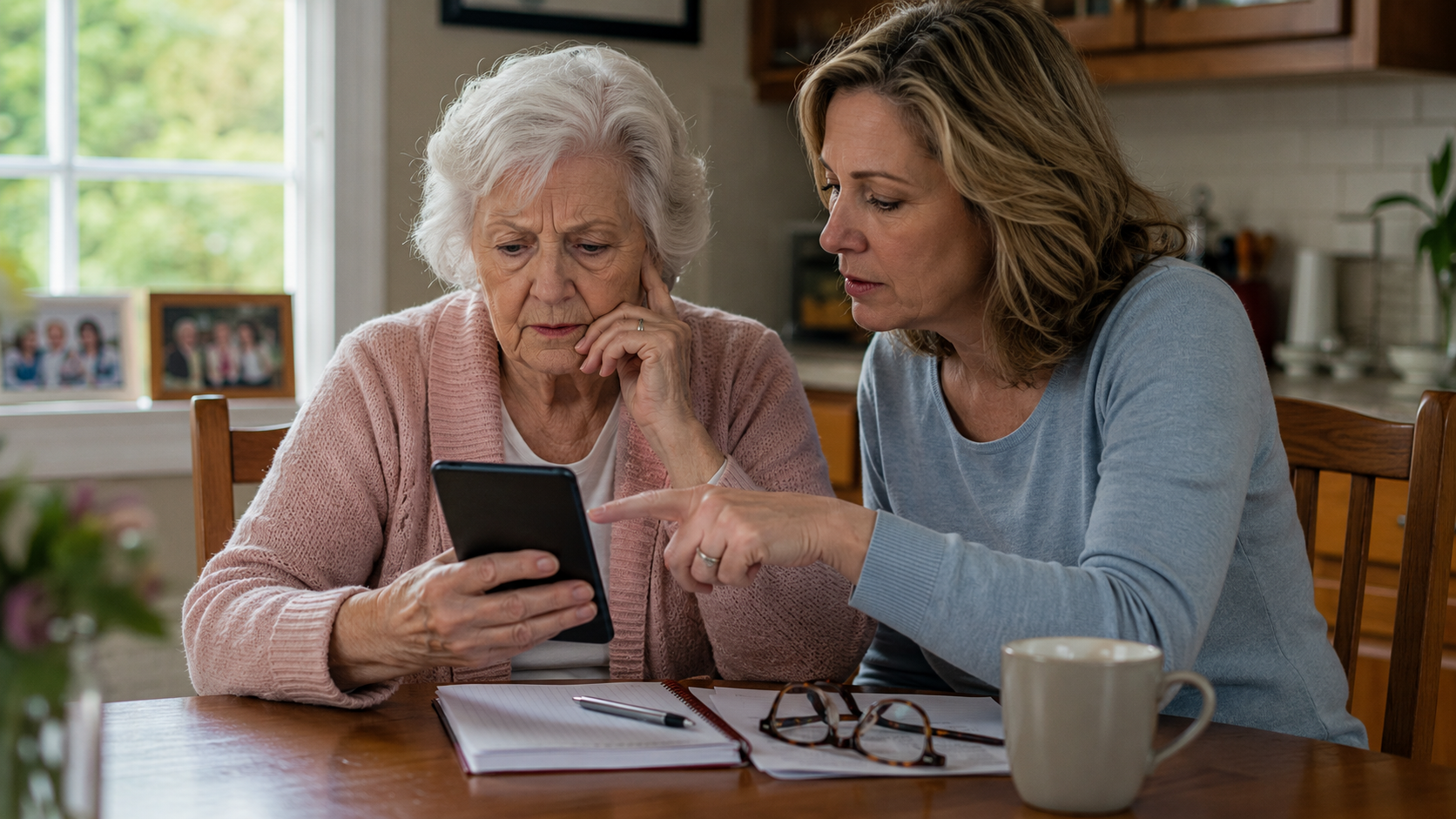
Romance scams are one of the most emotionally damaging forms of fraud affecting seniors in Canada. These scams often begin on dating websites, social media, messaging apps, or even through a friendly online comment. The fraudster builds trust over time, creates a believable relationship, and then starts asking for money. For families, romance scams can…
-
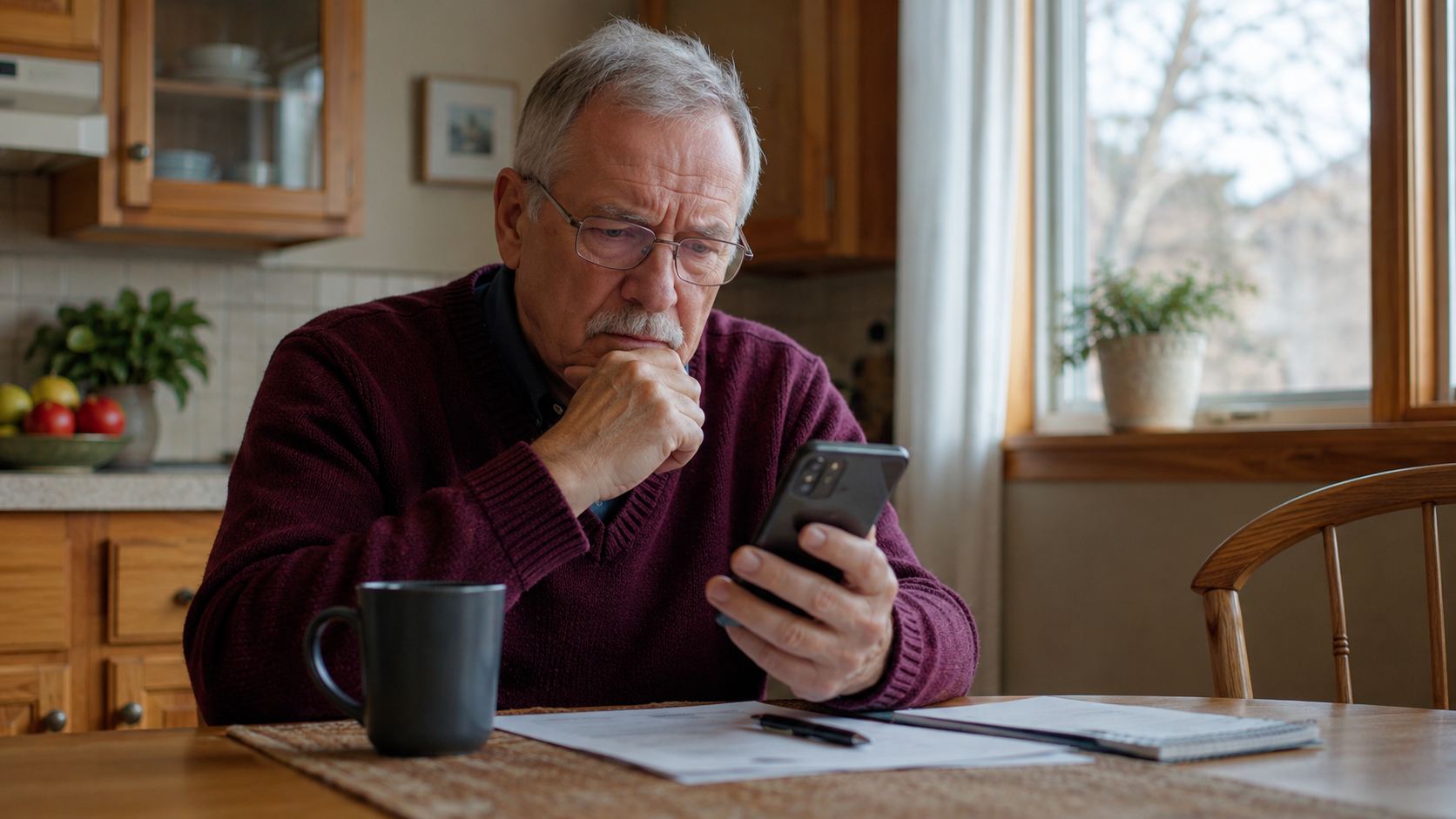
Phone scams remain one of the most common ways fraudsters target seniors in Canada. A scammer does not need special technology to cause harm. Often, they only need a convincing story, a rushed tone, and a victim who feels frightened, embarrassed, or pressured. The Canadian Anti-Fraud Centre tracks current frauds affecting Canadians and encourages people…
-
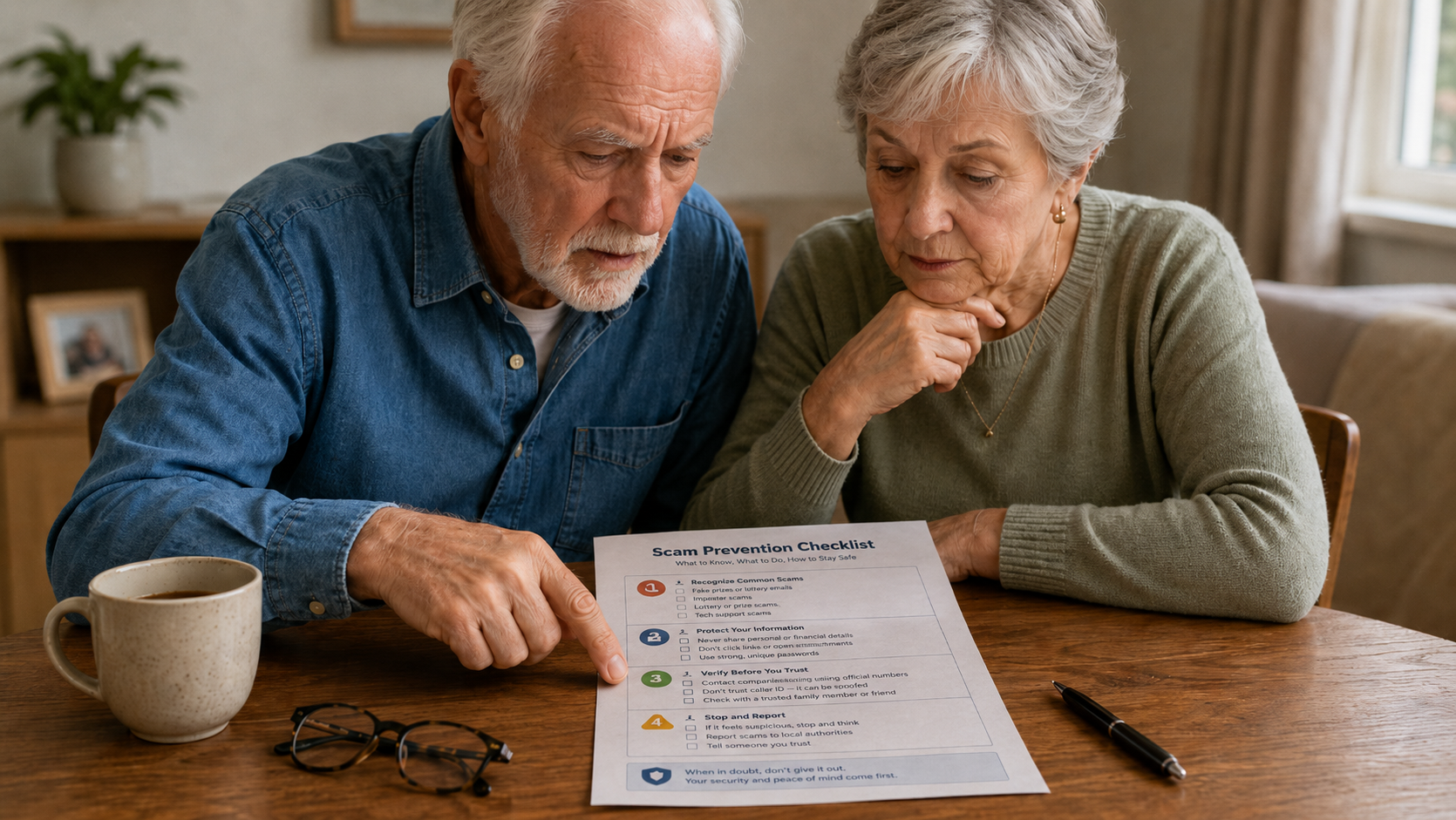
Scams targeting seniors are becoming more convincing, more personal, and harder to spot. Fraudsters often use fear, urgency, embarrassment, or trust to pressure people into acting quickly. A simple scam prevention checklist for seniors and families can reduce the risk of financial loss and help everyone respond calmly when something feels wrong. The first rule…
-
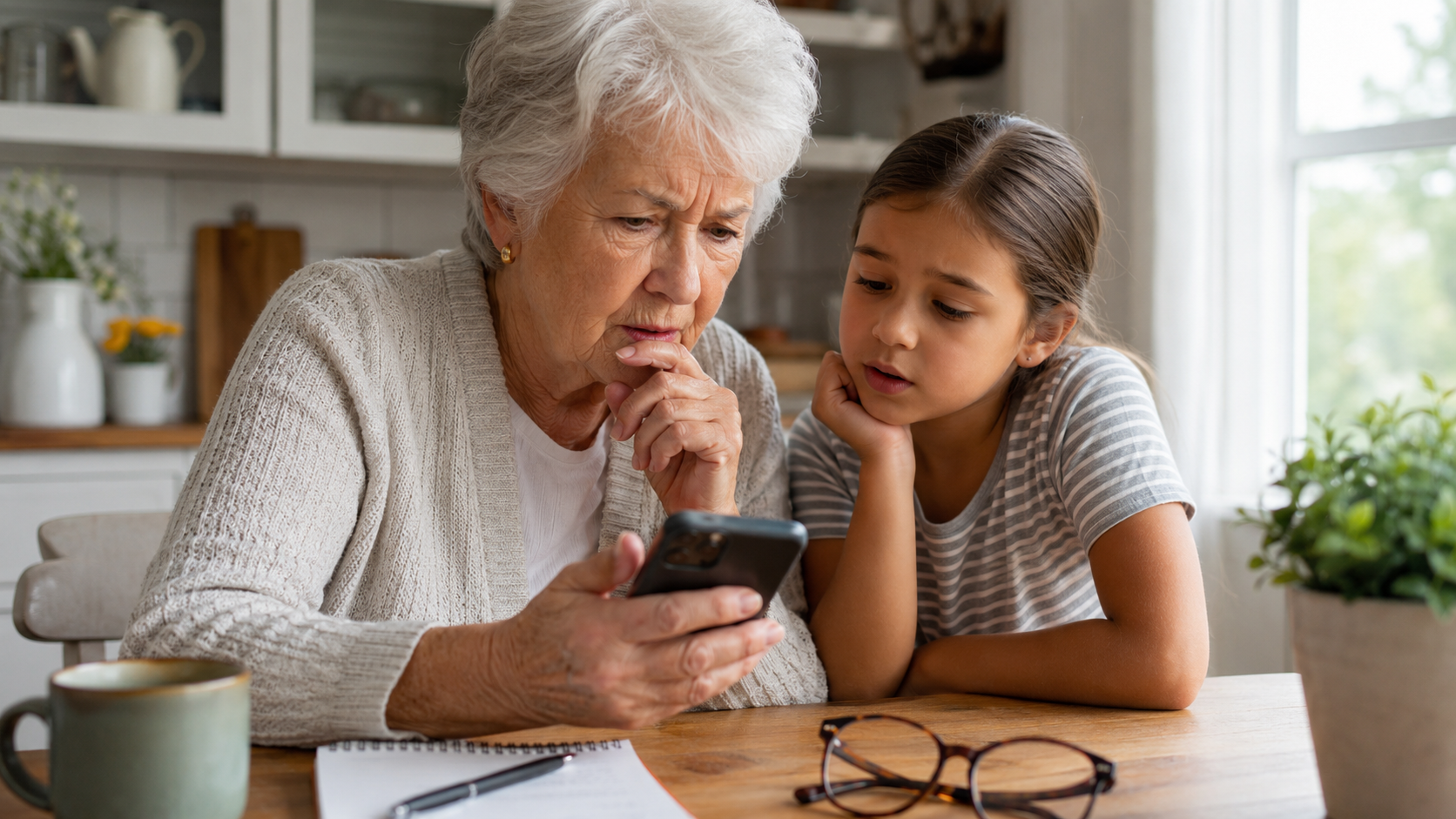
The grandparent scam is a type of emergency scam that targets seniors and family members by pretending that a loved one is in serious trouble. A fraudster may call and claim to be a grandchild, police officer, lawyer, doctor, or bail agent. The story usually involves an accident, arrest, medical emergency, or urgent legal problem.…