
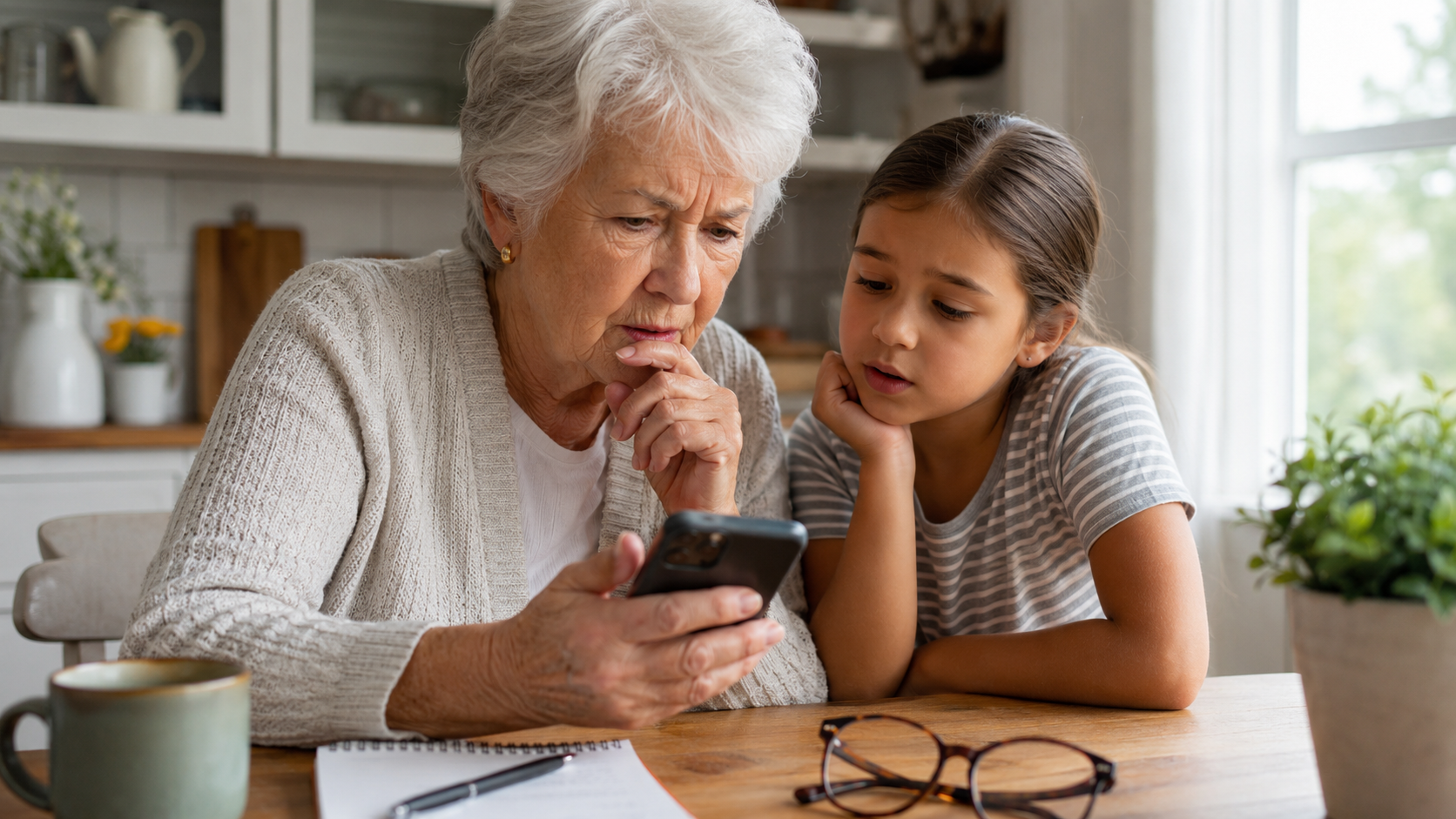
The grandparent scam is a type of emergency scam that targets seniors and family members by pretending that a loved one is in serious trouble. A fraudster may call and claim to be a grandchild, police officer, lawyer, doctor, or bail agent. The story usually involves an accident, arrest, medical emergency, or urgent legal problem.
The Canadian Anti-Fraud Centre describes this type of fraud as an emergency scam where the caller claims money is needed immediately for bail, lawyer fees, hospital fees, ambulance fees, or similar urgent costs. (Canadian Anti-Fraud Centre) The RCMP has also warned that these scams rely on urgency and emotional pressure to extort money from victims. (RCMP)
The scam works because it creates panic. The caller may say, “Grandma, I’m in trouble,” or “Your grandson has been arrested and needs bail money.” They may also beg the victim not to tell anyone. That secrecy is a major red flag.
Common Warning Signs of a Grandparent Scam
Families should watch for these warning signs:
- A caller claims a loved one is in trouble but gives few details.
- The caller asks for money immediately.
- The caller says not to contact other family members.
- Payment is requested by cash, wire transfer, cryptocurrency, courier, or gift cards.
- Someone claiming to be a lawyer, police officer, or court official takes over the call.
- The story changes when questions are asked.
- The caller pressures the senior to act before thinking.
These phone scams targeting seniors are often well-rehearsed. Some fraudsters may use personal details found on social media to make the story sound real.
How Families Can Stop the Grandparent Scam
The best protection is a simple family plan made before a crisis happens.
1. Create a Family Code Word
Choose a private family code word or phrase. If someone calls claiming to be in an emergency, the senior can ask for the code word. If the caller does not know it, the senior should hang up.
Do not use an obvious word such as a pet’s name, birthday, or favourite sports team.
2. Verify Before Sending Money
Never send money based only on an unexpected phone call. Hang up and call the family member directly using a known number. If they do not answer, call another trusted relative.
A real emergency will still be real after five minutes of verification.
3. Build a Trusted Contact List
Keep a printed list beside the phone with trusted contacts, including adult children, close relatives, the bank, local police non-emergency number, and the Canadian Anti-Fraud Centre.
This helps seniors avoid relying on the number provided by the scammer.
4. Talk About Scams Without Shame
Many seniors do not report fraud because they feel embarrassed. Families should make it clear that these scams are designed to fool caring people. Being targeted does not mean someone is careless.
5. Limit Public Personal Information
Scammers may use social media posts to learn names, travel plans, family relationships, and personal details. Families should review privacy settings and avoid oversharing information about children, grandchildren, vacations, or family emergencies.
What to Do If Money Has Been Sent
If a senior has sent money to a suspected scammer, act quickly. Contact the bank or credit card company, report the incident to local police, save phone numbers and messages, and document what happened. Also report the fraud to the Canadian Anti-Fraud Centre.
The grandparent scam succeeds when families are caught off guard. A calm conversation, a family code word, and a clear verification plan can help protect elderly parents and grandparents from emergency scams, fake bail money scams, and other fraud targeting seniors.
Need a practical fraud prevention talk for your seniors’ residence, community group, or family?
FraudReady Canada provides clear, respectful, and practical presentations on common scams targeting seniors in Canada. Topics include phone scams, CRA scams, grandparent scams, romance scams, fake bank calls, phishing emails, and what families can do if a senior has already sent money.
Book a practical fraud prevention talk for your group today.